
Bass are still unfamiliar to some anglers. Yet in Japan and the United States, these aggressive, tenacious predators are hugely popular. Could you imagine that a successful Bassmaster competitor might earn several million dollars a year? Fellow anglers, follow our tips and get serious about bass fishing with soft plastics. Who knows—one day we may find you at the water's edge catching big bass!
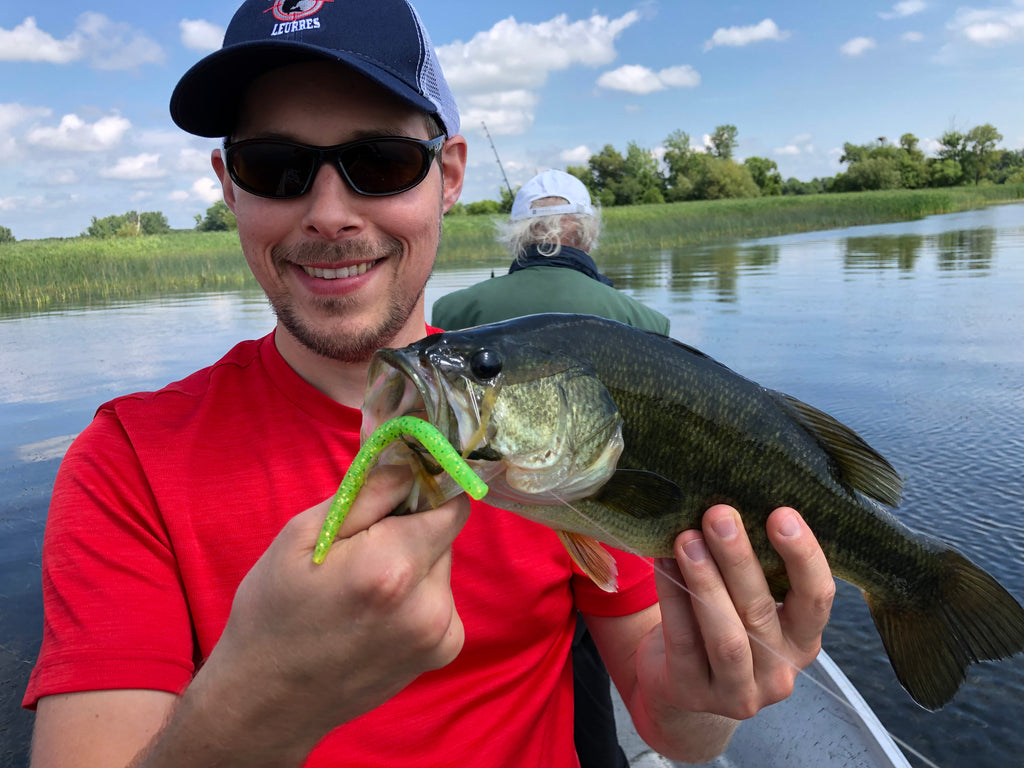
Tracking down bass
Bass live in ponds, lakes, rivers and the St. Lawrence River, mainly in southern Quebec. They like warm water but tolerate cooler temperatures. You can sometimes sight-fish for them as they bask in the sun! Beneath that quiet, sleepy appearance, they will readily take a small morsel at the surface or in deeper water. The strike can be lightning-fast. Be ready!
Catching them is sometimes easy and sometimes very difficult. They spend most of their time in groups.
They particularly like places with some cover: among lily pads, in weed beds, under docks, beneath trees or piles of branches, and near rocks. Look for water with cover near the surface.
These fish are very sensitive to lure vibrations. Their hearing and sense of smell are exceptionally well developed.
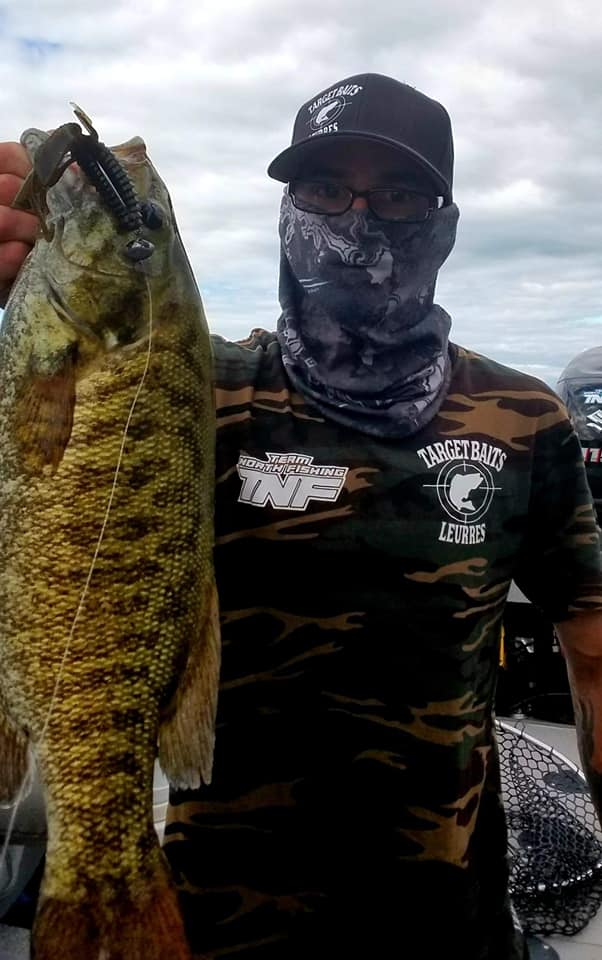
Which soft plastics should you use for bass?
This predator is fascinating because almost every technique can work: lure fishing, bait fishing or fly fishing. With its relatively large mouth, it eats sizeable prey such as catfish, frogs and crayfish, yet will also take a surface insect as a snack.
Bring a variety of lures: a true opportunist, bass may strike almost anything—when they decide to, of course, because they are both wary and curious. Realistic finesse lures are especially useful when bass are resting or less active. With or without a jig head, you can target them in deeper water or at the surface.

To rig a lure straight on a jig head, first hold the hook alongside it and make a small mark where the point should emerge. When inserting the hook, aim for that mark. This is especially important for shads and other baitfish imitations, and for weedless-rigged worm imitations such as Senkos or stick baits.
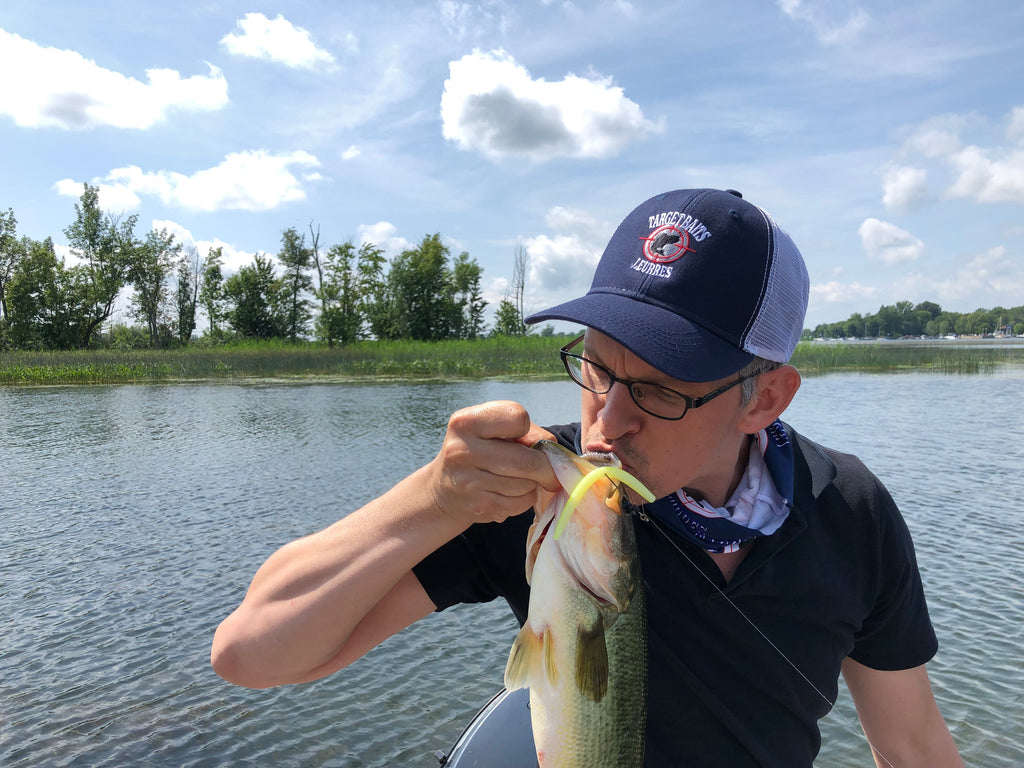
Bass through the seasons
- Spring
April and May are spawning season. The male guards the eggs in a shallow nest over a clean bottom until the fry are a few centimetres long. Bass are very aggressive at this time, and it is best not to target them. Catching a guarding male prevents it from protecting its offspring—the fish you may catch in the future.
- Summer
In warm weather, bass like to stay near the surface in the shade of trees or lily pads. Take the opportunity to sight-fish with a topwater lure. Try skipping your lure well under branches shading the water.
- Fall
This is when they build up their food reserves. All techniques can be effective at this time, though they will favour less aggressive presentations to conserve energy.
- Winter
Bass stay near the bottom, sheltered from the cold. They conserve energy, but a few can still be caught. A jig or drop shot is recommended to reach them in their hiding places.

Finesse fishing: for days when bass are wary
Finesse fishing is excellent when bass are lethargic, in winter or on hot summer days.
At those times, lures sending strong signals do not easily fool them. Bring out the light tackle and be just as subtle. If you spot a bass near the surface or structure that might hold one, gently let a small, light lure without a jig head sink toward it (weightless). If it does not react, try a few subtle movements. Also try a wacky rig: hook a soft plastic through its middle and work it with gentle twitches in front of the bass's nose.
 If you cannot see the fish because they are deeper, use a lightly weighted soft plastic (1/4–1 oz). A paddle-tail soft plastic is especially effective because its tail slows the fall and creates vibrations. Be ready: most strikes from this predator occur on the drop!
Bass fishing is exciting. The variety of techniques lets you learn your fishing spot without getting bored. Get your rods and lures ready, and happy fishing!
0 comments